
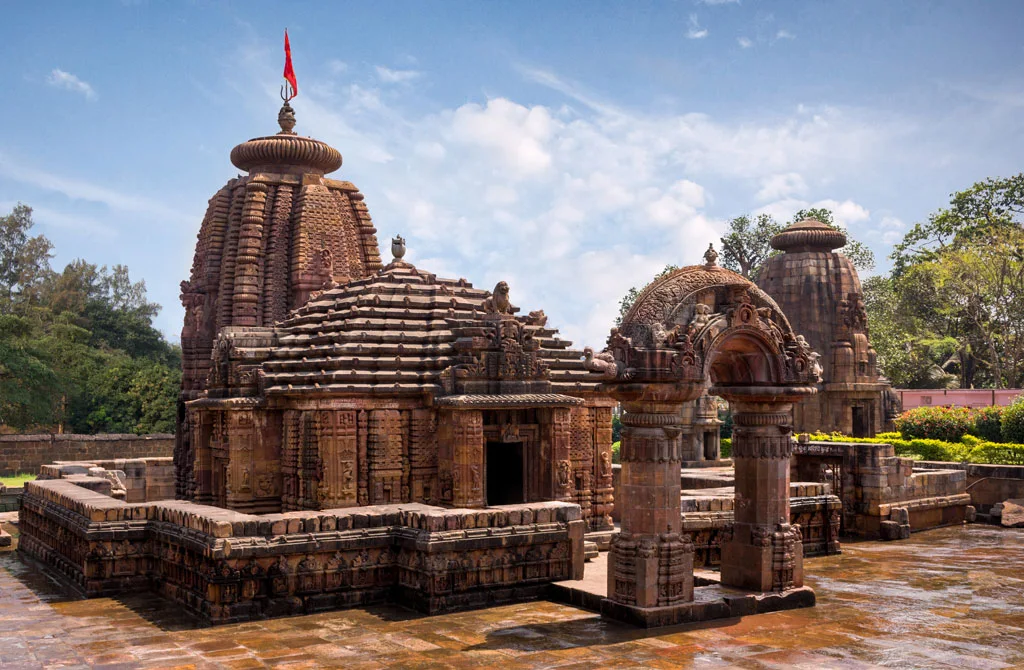
Bhubaneswar was one of the first destinations on my itinerary in my journey to Odisha. I was familiar with it because of its historic temples, architectural legacy, and cultural ties to Odisha. Finding lodging that provided easy access to the city’s well-known attractions was my top goal when looking for hotels in Bhubaneswar. I experienced Bhubaneswar differently because of the bustling marketplaces, tiny cafes, traditional dinners, and local snacks.
To avoid spending too much time travelling between historical sites and dining establishments, I picked a convenient accommodation. Additionally, staying at one of Bhubaneswar’s hotels provided me with a comfortable base from which to return between meals and excursions. Over time, food and temples stopped being distinct activities and instead became integral components of my experience.
Bhubaneswar introduced me to Odisha’s culinary traditions
My first proper meal in Bhubaneswar made me curious about the region’s food culture. Odia cuisine is known for balanced flavours and dishes prepared with local ingredients. I enjoyed trying traditional preparations instead of limiting my meals to familiar restaurant options.
Simple dishes often left the strongest impression. Dalma, a preparation combining lentils and vegetables, showed how wholesome ingredients can create a satisfying meal. I also tried Pakhala, a traditional rice-based preparation associated with Odisha, and enjoyed discovering flavours that were different from what I usually ate.
Bhubaneswar’s temples added another layer to my food experience
The temples of Bhubaneswar played a significant role in my itinerary, especially given the city’s renown for its ancient temple architecture. I was able to experience the city’s cultural context by visiting sites like Mukteshwar Temple and Lingaraj Temple.
As I gained more knowledge about regional traditions and temple cuisine, the relationship between cuisine and tradition became apparent. Mahaprasad, who is connected to the Jagannath tradition in Odisha, also demonstrated to me the cultural and spiritual value of food that goes beyond its use as a meal.
Local markets made my Bhubaneswar food experience more lively
The local markets in Bhubaneswar brought together food, crafts, and daily life, which made them enjoyable to visit. While surrounding stores sold prepared dishes and snacks, stalls showcased fruits, vegetables, spices, and regional goods.
I had the chance to see the items used in regional cuisine and see locals shop and dine while exploring these marketplaces. I took my time interacting with the vendors and sampling regional cuisine instead of viewing the market as merely another place to see things.
Small eateries became part of my daily routine in Bhubaneswar
Rather than formal restaurants, several of my favourite meals were from little neighbourhood cafes. These gave me a chance to sample local cuisine in a peaceful environment and take in the city’s daily rhythm.
In between tour excursions, I especially liked stopping for food. Before moving on across the city, a quick stop for a local sweet treat or savoury dish let me refuel. In addition to making my agenda less packed, these lunch stops allowed me to spend more time exploring districts outside of the major sights.
My Bhubaneswar stay made exploring food and history easier
The trip was made more comfortable by returning to the hotel in between excursions. I could visit temples in the morning, have a break in the afternoon, and then go out again in the evening to find local cuisine.
Instead of scheduling every meal around a set itinerary, the convenient location also allowed me to select markets and eateries based on what I wanted to experience. I could learn more about Bhubaneswar’s food scene because of this flexibility.
Evenings brought together food and city life in Bhubaneswar
Bhubaneswar got particularly fun for culinary discovery as night fell. Markets continued to attract tourists, restaurants drew locals, and streets became livelier. After visiting temples all day, I could have a traditional lunch or a light snack before going for a stroll.
These evenings made me more aware of how food is a part of everyday living in the city. Meals were an integral part of experiencing Bhubaneswar itself, not just a way to pass the time between attractions.
Final thoughts
At first, I believed that the temples and historical sites would be the primary characteristics of Bhubaneswar. They undoubtedly introduced me to the city’s history, but its cuisine gave me a new perspective on Odisha.
The trip became more intimate through traditional foods, neighbourhood markets, tiny restaurants, and the temple’s culinary experiences. I learned how closely Bhubaneswar’s culture and food are related by mixing historical tourism with regional dining.
Discovering Bhubaneswar’s temples is just one aspect of the city for visitors. Make time for neighbourhood restaurants, local markets, and authentic Odia cuisine. This will make your trip feel richer and offer a more thorough introduction to the city. Additionally, it can provide an experience of local customs, comprehending daily life, and appreciating Bhubaneswar’s continued strong ties to Odisha’s cultural identity, particularly through its unique regional cuisine and flavours.



More Stories
10 Global Travel Trends of 2025: What’s Next for Adventurers & Homebodies Alike
What Kind of Family Are You? Discover the Perfect Bromont Getaway for Your Style
Uncharted Peaks: A Trailblazer’s Handbook to Conquering the World’s Most Captivating Mountains